Top 10 Best Vegetarian Diet Foods for Weight Loss in 2026
In 2026, Health & Wellness is defined by precision nutrition, metabolic alignment, and sustainable eating habits rather than short-term dieting. Indian vegetarian foods naturally support this model because they are rich in fiber, plant protein, antioxidants, and seasonal nutrients. When structured properly—something platforms like FitFlame consistently emphasize—these foods can accelerate fat loss, improve digestion, and reduce the risk of chronic diseases. This article is a complete Health & Wellness Guide with Indian Vegetarian Fat-Loss Strategies
A key principle in FitFlame-based Health & Wellness systems is that what you eat, when you eat, and how much you eat all matter equally. The foods below are not just helpful individually; when combined with proper timing, seasonal awareness, and portion control, they create a powerful fat-loss ecosystem.
Oats (Masala Oats for Metabolic Activation)
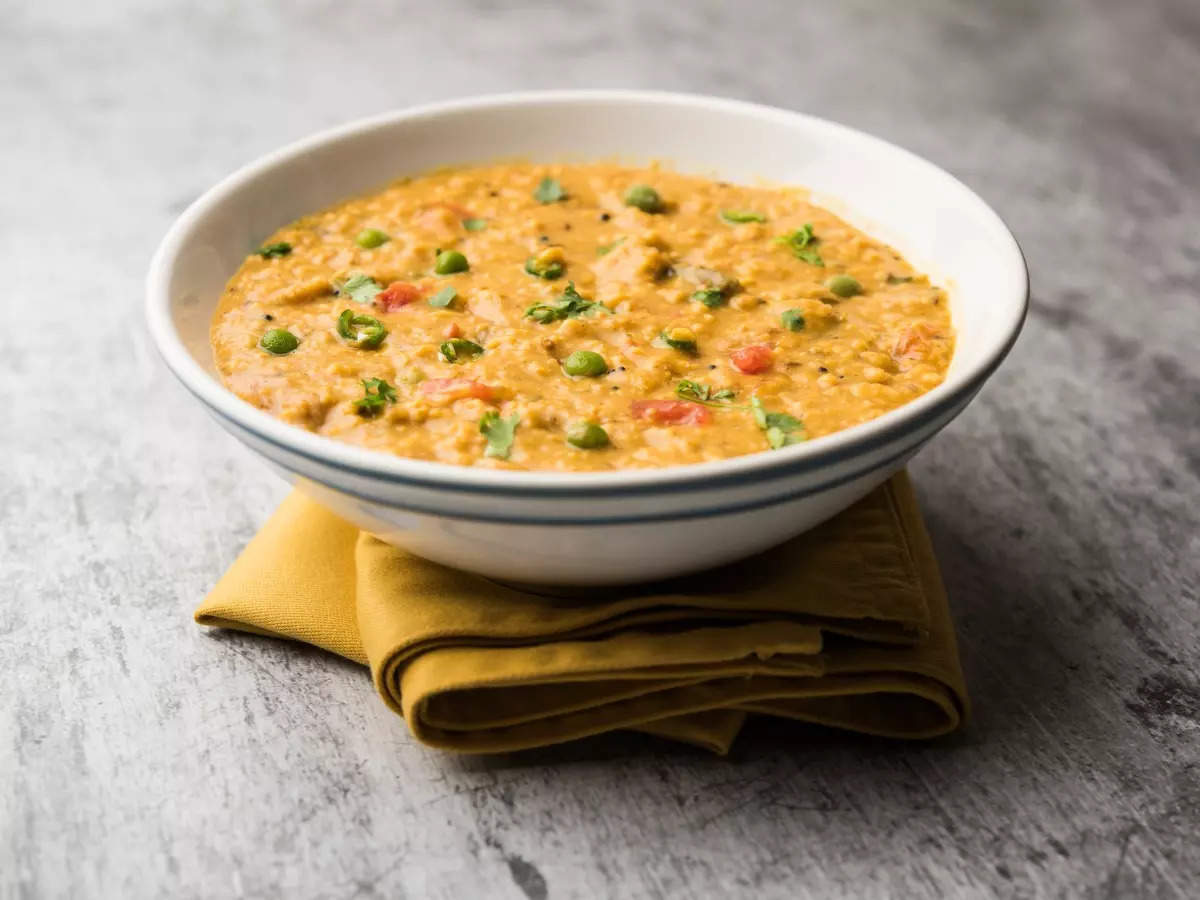

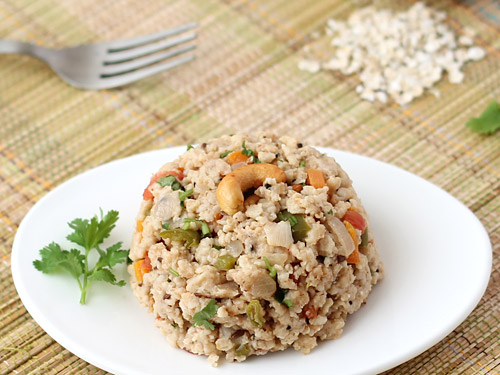
Oats are one of the most effective foods in modern Health & Wellness nutrition and are widely used in FitFlame diet plans due to their ability to regulate appetite and stabilize metabolism. Their soluble fiber slows digestion, preventing sudden spikes in blood sugar and reducing fat storage.
The best time to consume oats is in the morning between 7–9 AM, when insulin sensitivity is at its peak. A portion of 40–50 grams is ideal for weight loss. Oats are particularly beneficial during winter and monsoon seasons, as they provide warmth and sustained energy.
From a nutritional standpoint, oats are rich in beta-glucan fiber, magnesium, iron, and antioxidants. These nutrients support gut health, improve cholesterol levels, and enhance fat metabolism. Oats also help prevent type 2 diabetes, heart disease, and obesity-related inflammation, making them a foundational food in FitFlame Health & Wellness strategies. Additionally, their ability to promote satiety reduces unnecessary calorie intake throughout the day.
Lauki (Bottle Gourd for Detox and Hydration)
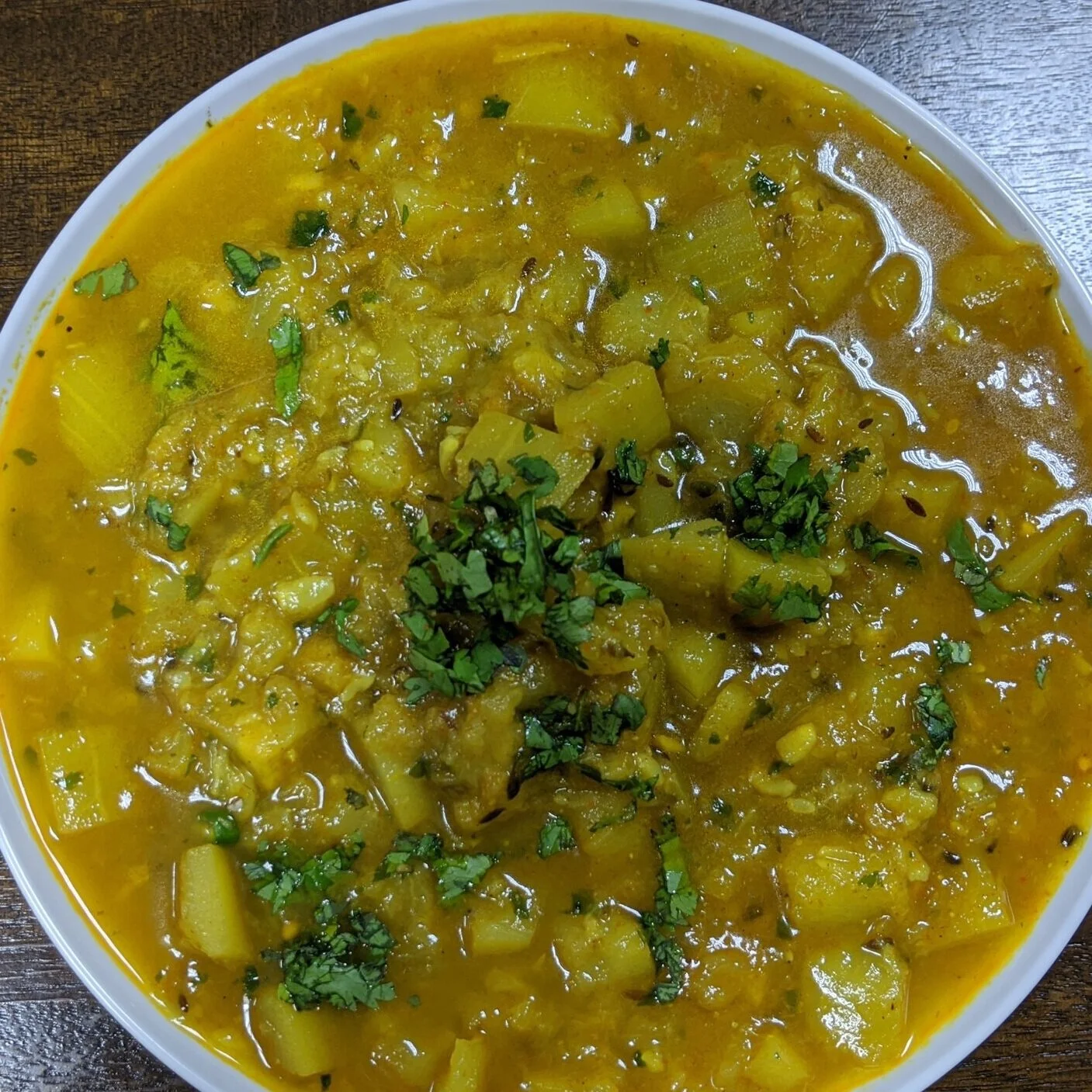


Lauki is a highly recommended vegetable in FitFlame Health & Wellness frameworks because of its extremely low calorie density and high water content. It supports weight loss by naturally reducing total calorie intake while maintaining hydration levels.
The ideal time to consume lauki is during lunch or early dinner. Fresh lauki juice can also be taken in the morning on an empty stomach for detoxification. A portion of one bowl cooked lauki is sufficient. It is especially beneficial in summer due to its cooling properties.
Lauki contains vitamin C, potassium, fiber, and water, all of which improve digestion and liver function. A healthy liver is essential for fat metabolism, as it processes stored fat into usable energy. Lauki helps prevent bloating, hypertension, and digestive disorders, while also improving gut efficiency. Its role in hydration and detoxification aligns strongly with FitFlame’s Health & Wellness philosophy.
Moong Dal (Lean Protein for Weight Loss)
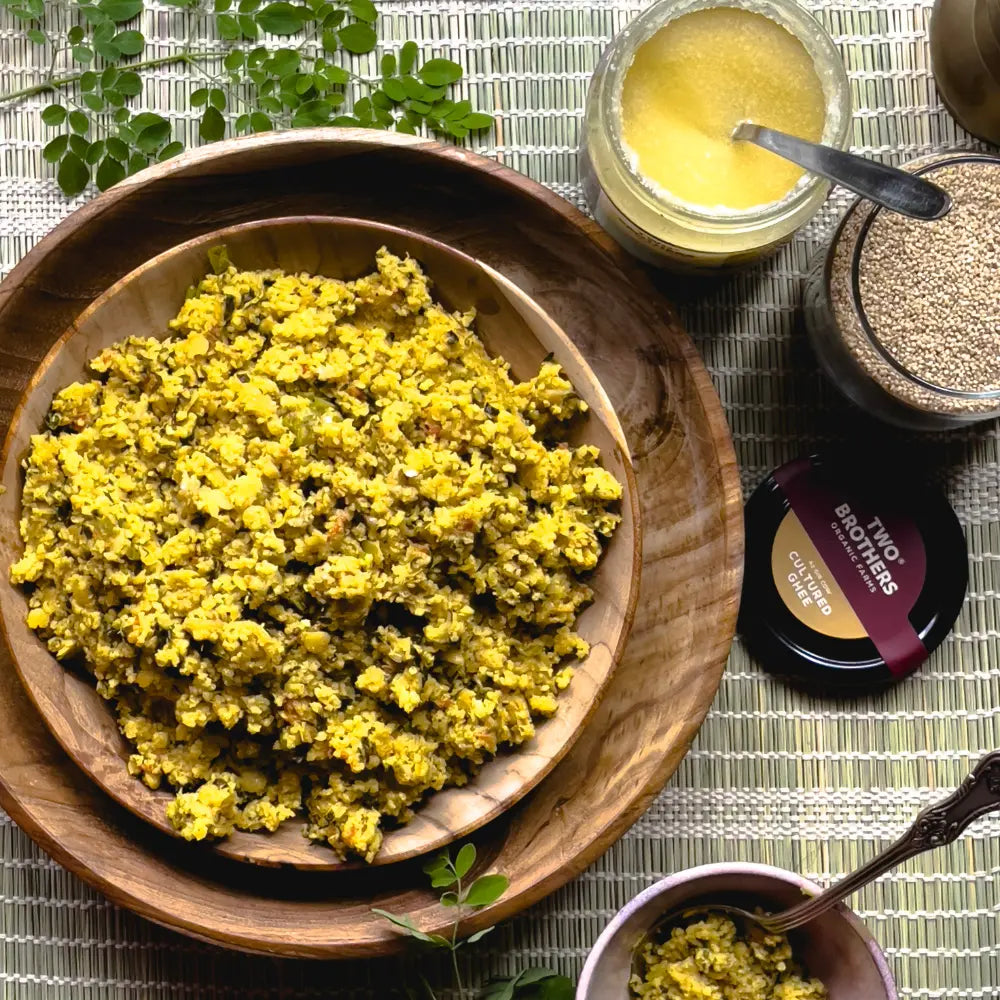
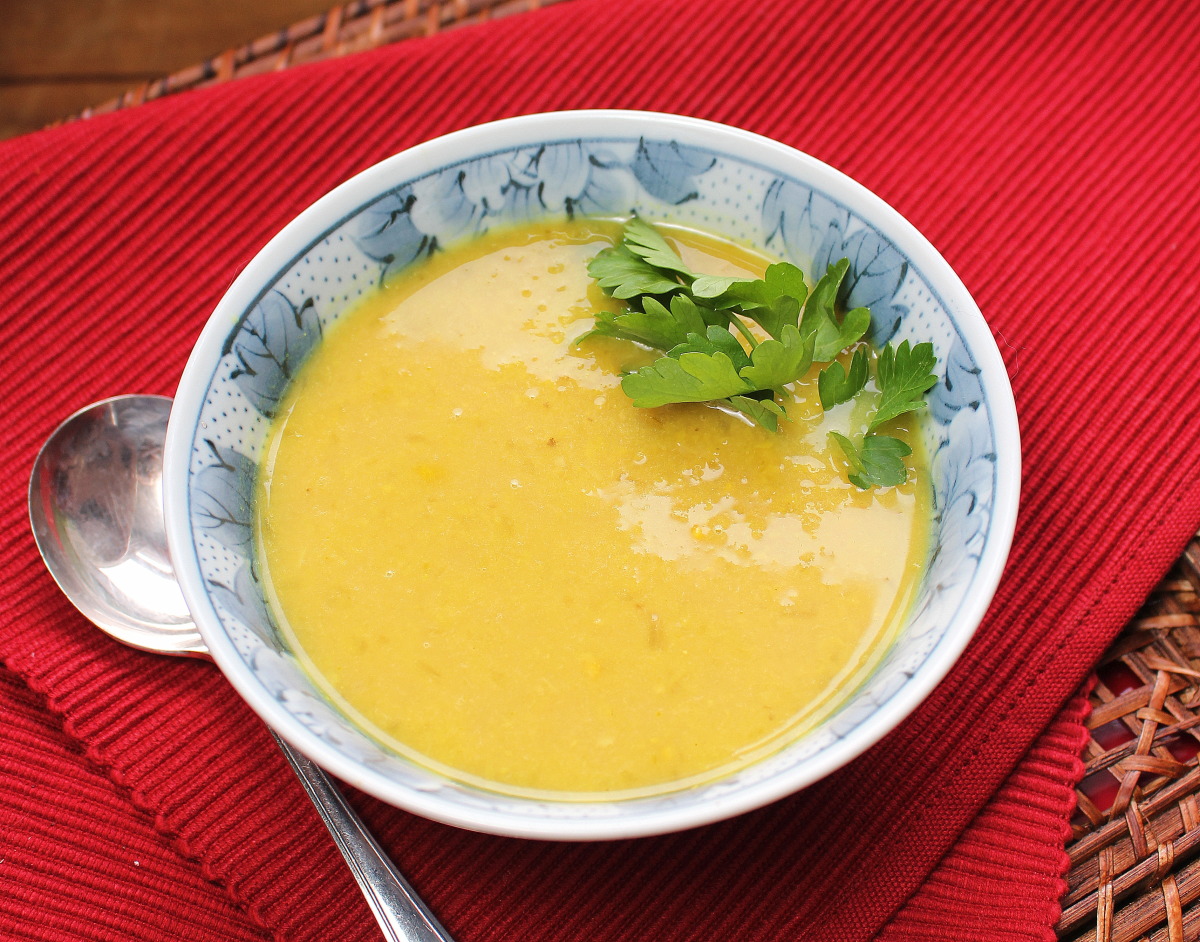

Moong dal is a cornerstone of vegetarian protein in Health & Wellness diets and a key component of FitFlame fat-loss plans. It supports muscle preservation while promoting fat reduction, which is critical for maintaining metabolic rate.
The best time to consume moong dal is during lunch. A portion of one bowl cooked dal or one cup of sprouts is ideal. It is suitable for all seasons and is especially useful during detox phases due to its easy digestibility.
Moong dal is rich in protein, iron, potassium, and B vitamins. These nutrients enhance energy production, support muscle repair, and improve metabolic activity. It helps prevent anemia, insulin resistance, and cardiovascular issues, while also improving satiety. Regular inclusion of moong dal ensures steady energy levels and reduces cravings, which is a core principle in FitFlame Health & Wellness systems.
Ragi (Low Glycemic Super Grain)
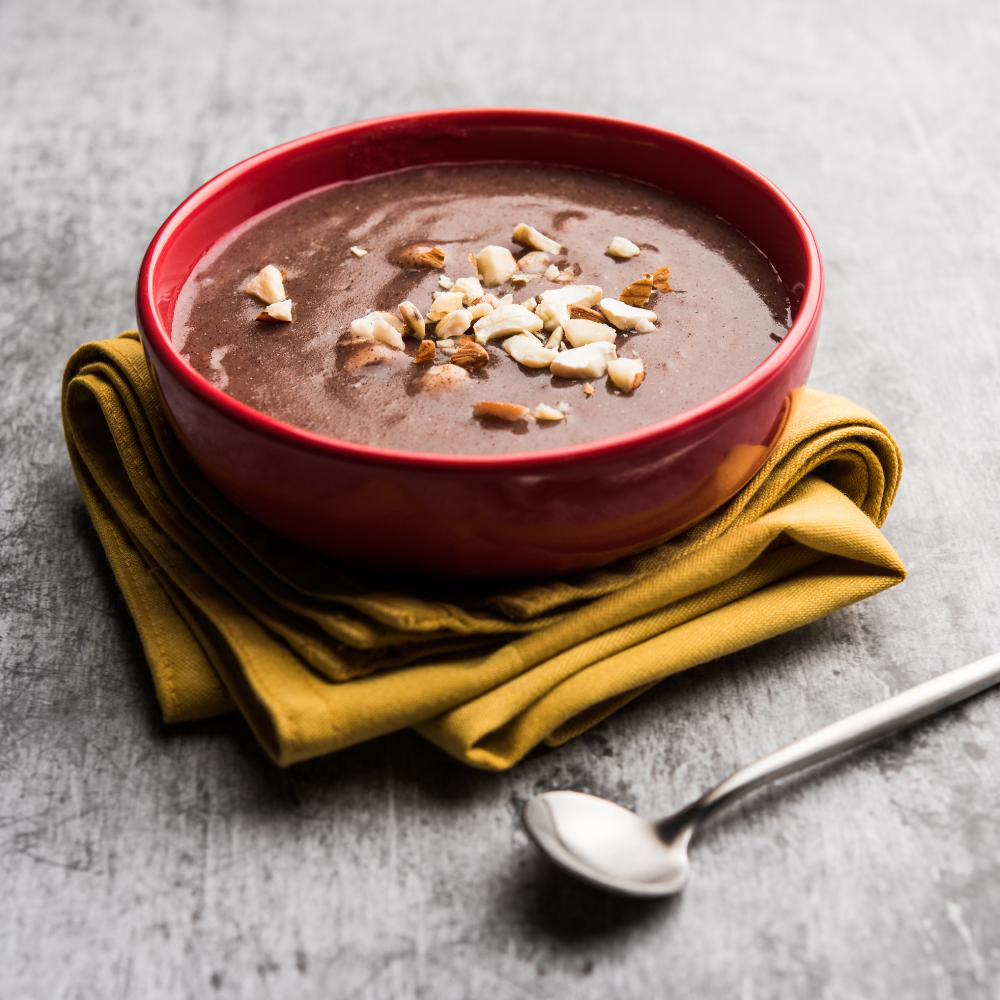
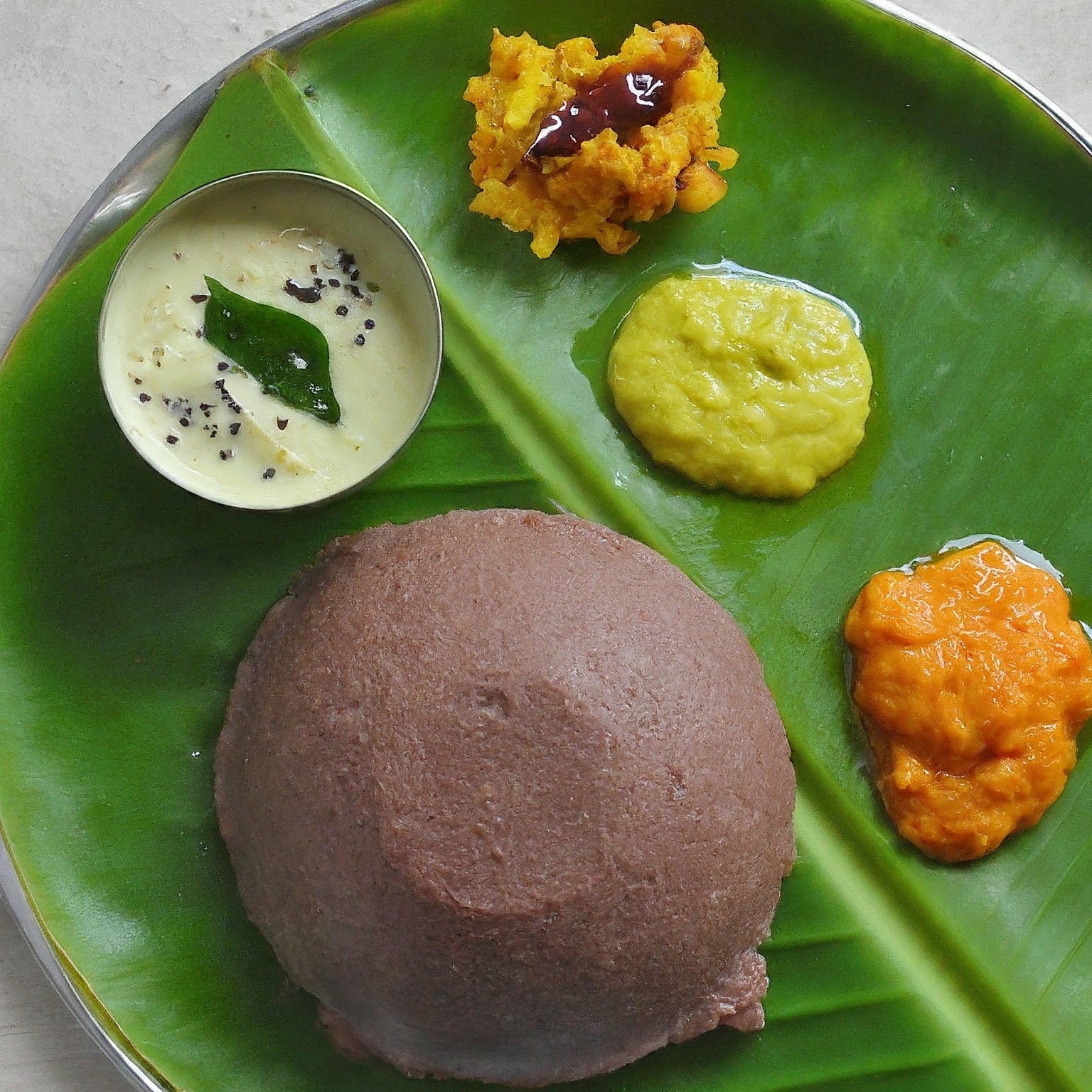
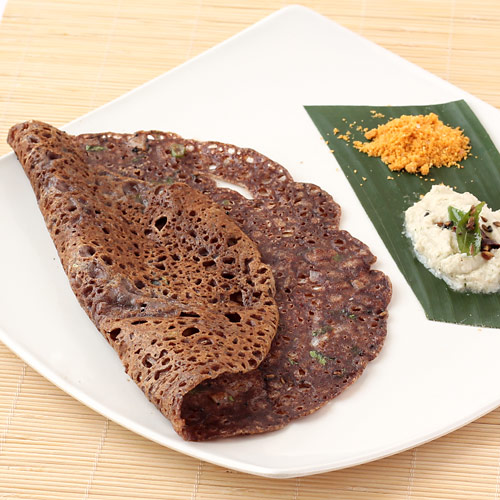
Ragi is an ancient grain that plays a major role in Health & Wellness nutrition and is strongly recommended in FitFlame diet structures. Its low glycemic index ensures slow glucose release, preventing fat accumulation and energy crashes.
It is best consumed during breakfast or lunch, with one to two servings being ideal. Ragi is particularly effective in summer because of its cooling effect on the body.
Nutritionally, ragi provides calcium, iron, fiber, and amino acids that support bone health, metabolic balance, and muscle function. It helps prevent diabetes, osteoporosis, and metabolic disorders. Its ability to improve satiety and stabilize blood sugar makes it a strategic carbohydrate choice in FitFlame Health & Wellness frameworks.
Palak (Spinach for Micronutrient Density)

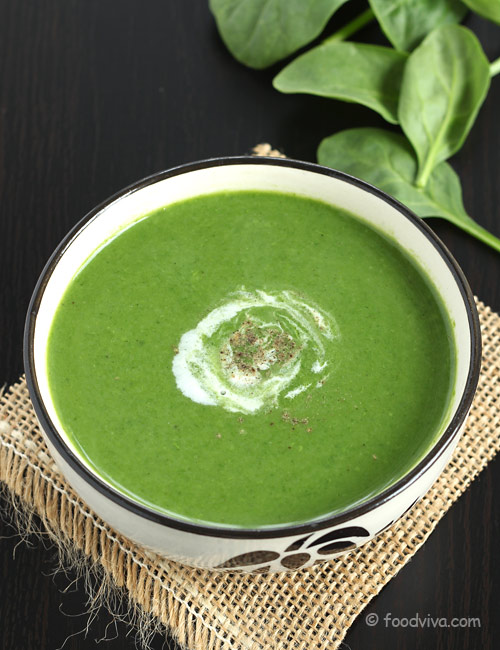

Palak is a highly nutrient-dense vegetable that enhances fat metabolism through micronutrient support. In FitFlame Health & Wellness systems, micronutrients are essential for optimizing metabolic pathways.
The ideal time to consume palak is during lunch or dinner. A portion of one to two cups cooked is recommended. Winter is the best season for palak consumption due to its higher nutrient density.
Palak contains iron, folate, vitamin K, and antioxidants that improve oxygen delivery and reduce inflammation. This supports efficient fat burning at the cellular level. It helps prevent anemia, oxidative stress, and heart disease, while also improving digestion and detoxification. Its low calorie density makes it ideal for increasing food volume without increasing calorie intake.
Chana (Protein and Fiber for Appetite Control)
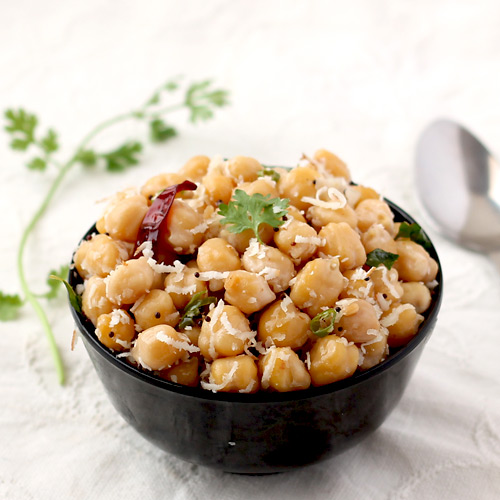


Chana is a powerful food for appetite control and is widely used in FitFlame Health & Wellness strategies. Its combination of protein and fiber helps regulate hunger hormones and reduce overeating.
It is best consumed as a mid-morning snack or during lunch. A portion of half to one cup cooked chana is ideal. It is suitable for all seasons, especially winter.
Chana provides protein, iron, magnesium, and complex carbohydrates that support digestion and energy stability. It helps prevent obesity, diabetes, and heart disease, while also improving satiety and reducing cravings. This makes it a key component in structured fat-loss diets promoted by FitFlame.
Brown Rice (Sustained Energy Source for Weight Loss)
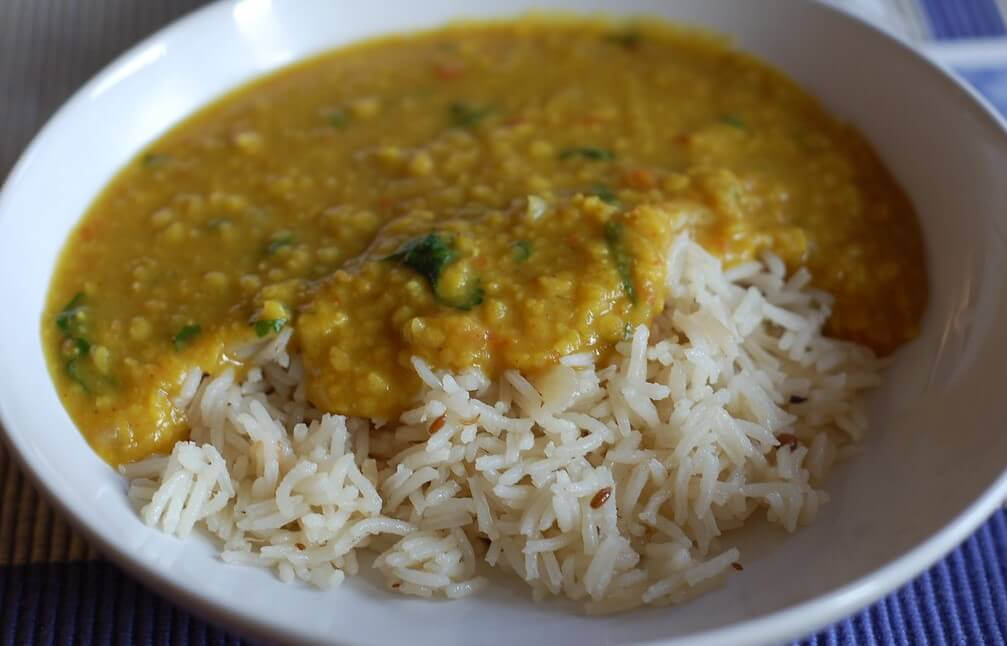
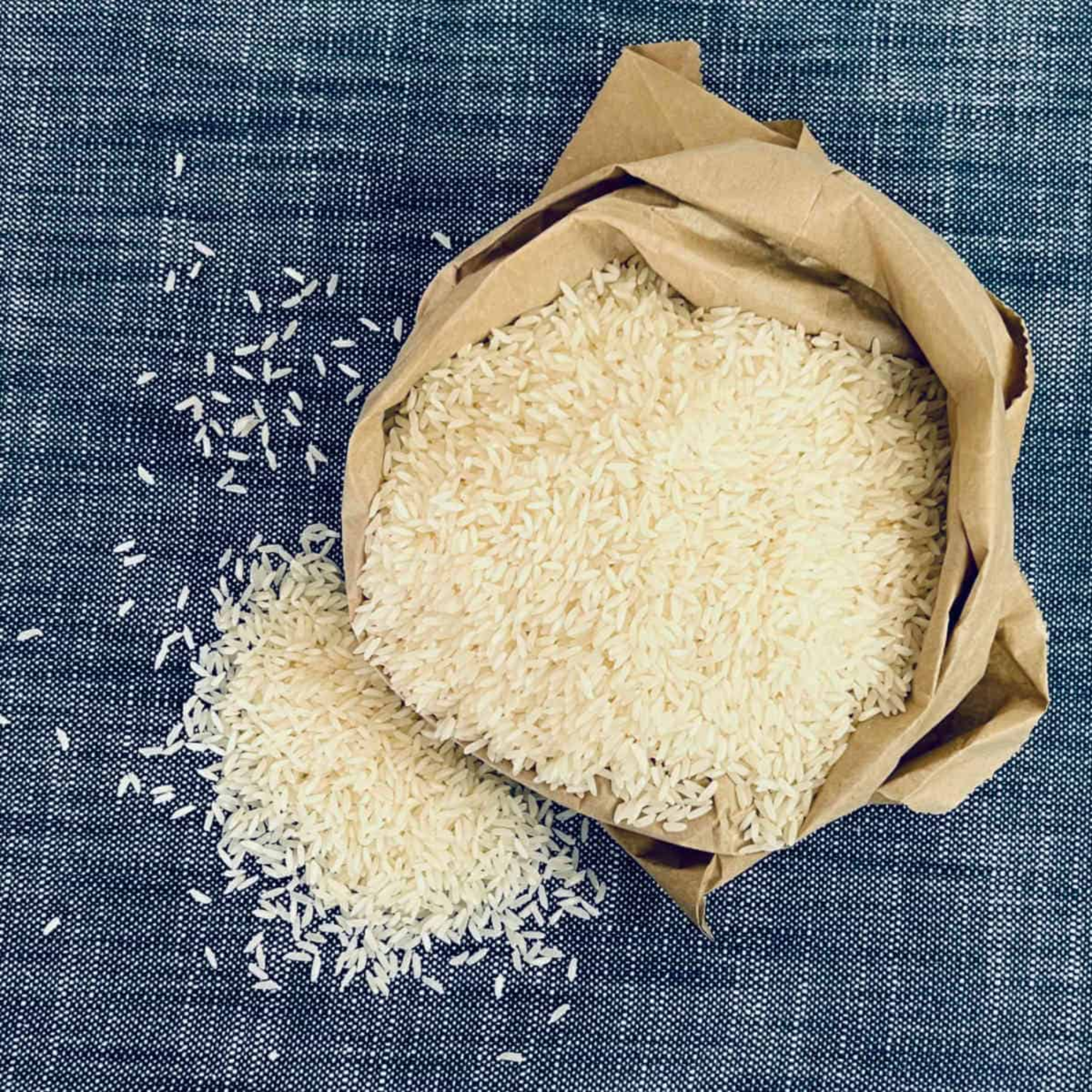

Brown rice is an essential carbohydrate source in Health & Wellness diets and is widely recommended in FitFlame meal planning. Unlike refined rice, it retains fiber, which slows digestion and prevents fat storage.
The best time to consume brown rice is during lunch. A portion of one cup cooked rice is sufficient. It is suitable for all seasons.
Brown rice contains fiber, B vitamins, magnesium, and antioxidants that improve metabolic function and reduce inflammation. It helps prevent type 2 diabetes, obesity, and cardiovascular diseases. Its slow digestion ensures sustained energy release, reducing fatigue and overeating later in the day.
Jeera Water (Digestive Booster)
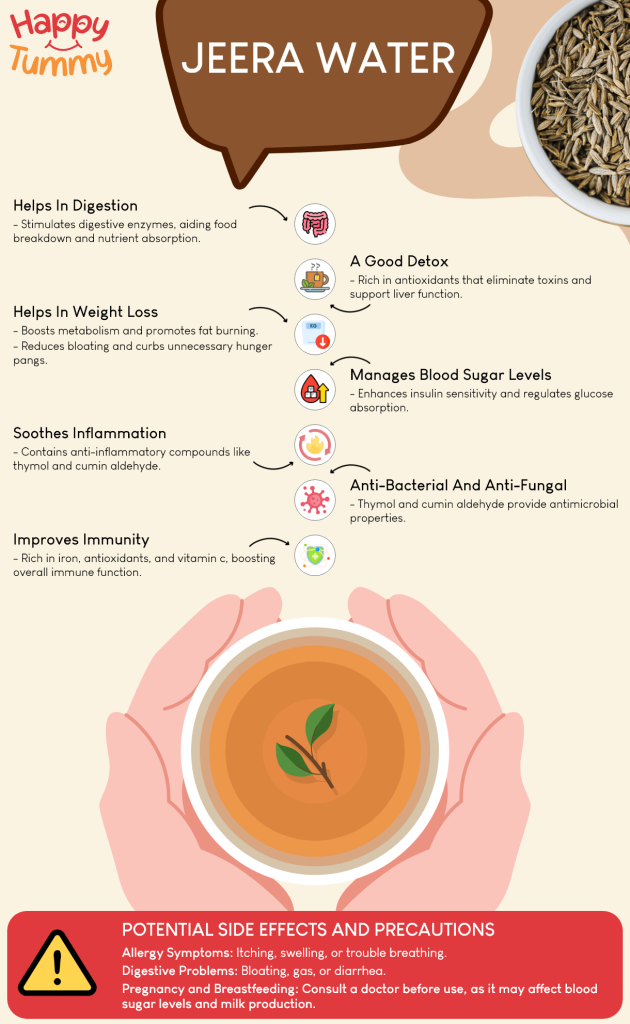
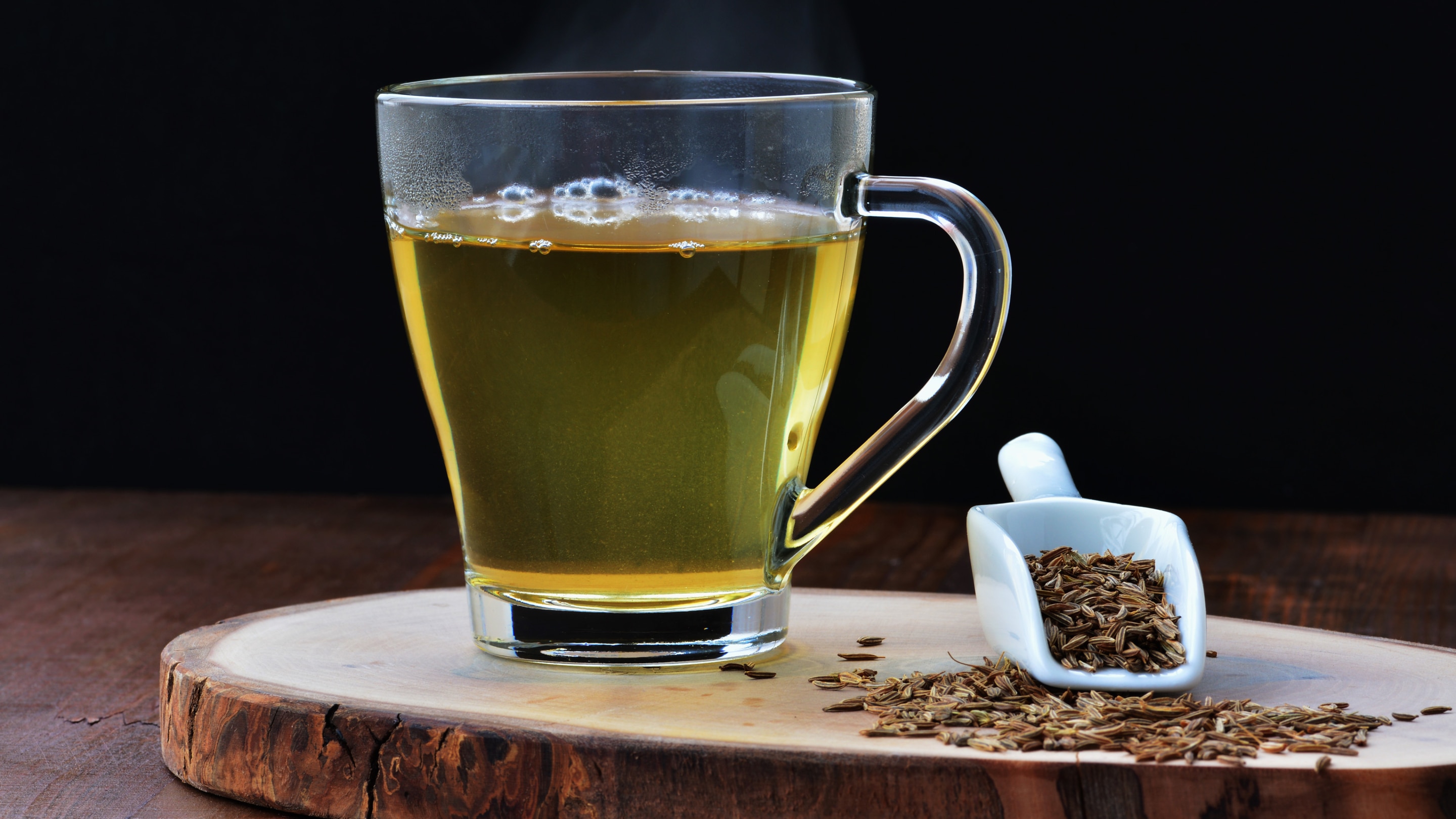
Jeera water is a foundational practice in FitFlame Health & Wellness routines due to its impact on digestion and metabolism. Drinking it on an empty stomach activates digestive enzymes and improves nutrient absorption.
One glass in the morning is sufficient. It is especially beneficial in summer and monsoon seasons.
Jeera contains antioxidants and compounds that support liver function and reduce bloating. It helps prevent acidity, indigestion, and metabolic inefficiency, while also improving fat breakdown. A healthy digestive system ensures that the body uses nutrients efficiently rather than storing them as fat.
Apple (Fiber-Rich Fat Loss Fruit)

Apples are widely used in FitFlame Health & Wellness diets because of their ability to control appetite and improve gut health. Their fiber content slows digestion and reduces overall calorie intake.
They are best consumed as a mid-morning snack or before meals. One medium apple per day is ideal. Apples are most beneficial in autumn.
They provide vitamin C, antioxidants, and pectin fiber that support immunity and digestion. Apples help prevent diabetes, heart disease, and inflammation, while also improving gut microbiome balance.
Almonds (Healthy Fats for Hormonal Balance)

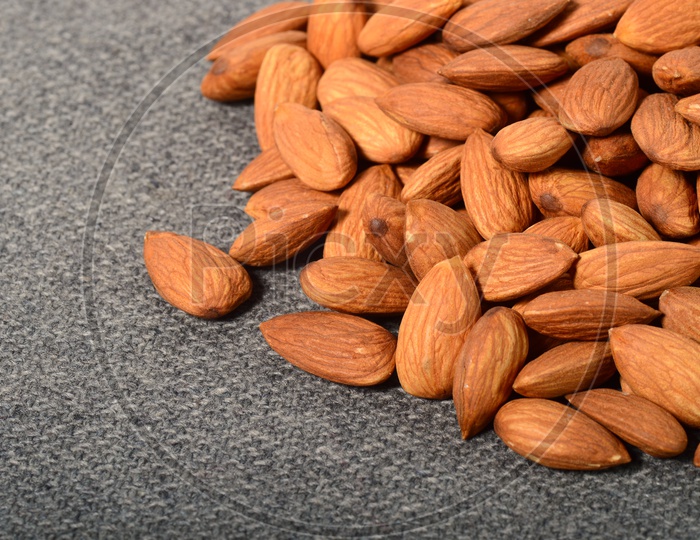
Almonds are an important part of FitFlame Health & Wellness strategies because they regulate hunger and support hormonal balance. Their healthy fats improve insulin sensitivity and reduce cravings.
The best time to consume almonds is in the morning after soaking them overnight. A portion of 5–10 almonds is ideal. They are especially beneficial in winter.
Almonds contain vitamin E, protein, and antioxidants that support brain health, heart health, and fat metabolism. They help prevent inflammation, cardiovascular diseases, and metabolic disorders, while also improving satiety and energy levels.
Conclusion
In 2026, achieving sustainable weight loss through Health & Wellness is about precision, consistency, and smart food choices rather than extreme restrictions. Indian vegetarian foods, when aligned with structured approaches like FitFlame, provide a powerful combination of nutrition, satiety, and disease prevention.
By consuming the right foods at the right time, in the right quantity, and according to seasonal needs, the body naturally shifts into a fat-burning state. These foods not only accelerate weight loss but also improve digestion, enhance metabolism, and protect against chronic diseases.
The key takeaway is simple: weight loss is a byproduct of balanced Health & Wellness habits, and with systems like FitFlame, it becomes sustainable, effective, and long-lasting.