What Should I Eat Daily for Good Health? A Simple Vegetarian Guide
Eating healthy is something almost everyone wants, yet very few people feel confident about. With so much information online, it’s easy to feel overwhelmed and unsure about what actually works. Some diets tell you to cut carbs, others focus only on protein, and many promote strict plans that are hard to follow long term.
The truth is much simpler. Good health doesn’t come from extreme diets or complicated rules. It comes from eating balanced, natural foods consistently and building habits that fit into your daily life. If you’ve been wondering what you should eat daily for good health, the answer lies in simplicity, balance, and consistency rather than perfection.
Why Eating Right Every Day Matters More Than You Think
Your daily food choices directly affect how you feel, think, and function. The food you eat fuels your body, supports your immune system, and plays a major role in preventing long-term health problems. When your diet is unbalanced, you may experience low energy, poor digestion, frequent cravings, or even mood changes.
Over time, unhealthy eating patterns can lead to more serious issues like weight gain, fatigue, and lifestyle-related diseases. On the other hand, when you consistently eat nourishing foods, your body becomes stronger and more efficient. You feel more energetic, your concentration improves, and even your sleep quality can get better.
What many people don’t realize is that small daily choices matter far more than occasional “healthy days.” Your body responds to what you do regularly, not what you do occasionally.
Stop Chasing Perfect Diets — Focus on Balance Instead
One of the biggest mistakes people make is trying to follow a “perfect” diet. They either restrict too much or try to change everything at once, which often leads to frustration and inconsistency. Many diets may work for a short time, but they fail because they are not practical for everyday life.
A better approach is to focus on balance. Your body needs a combination of nutrients every day to function properly. It needs energy from whole grains, strength from protein-rich foods like lentils and paneer, and protection from vegetables and fruits rich in vitamins and minerals.
When you start thinking in terms of balance rather than restriction, eating healthy becomes much easier. You don’t need to eliminate foods completely — you just need to make better choices more often.
What Should You Eat Throughout the Day (And What to Avoid Combining)
A healthy routine becomes easier when you know what to eat at each stage of the day. Instead of overthinking every meal, you can follow a simple structure that keeps your body energized and satisfied.
Breakfast Options
- Oats with fruits and nuts
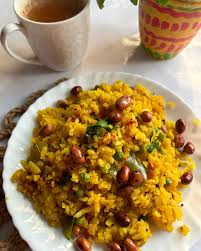
- Vegetable poha or upma
- Whole wheat toast with peanut butter or paneer
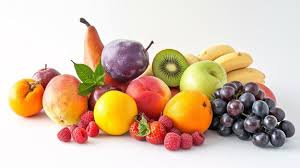
- Fresh fruits like banana, apple, or papaya

Lunch Options
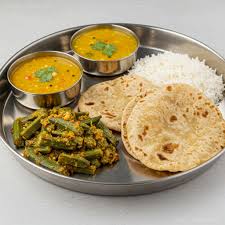
- Roti or rice with dal
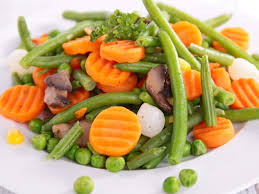
- Cooked vegetables like spinach, beans, or carrots
- Salad with cucumber, tomato, and cabbage
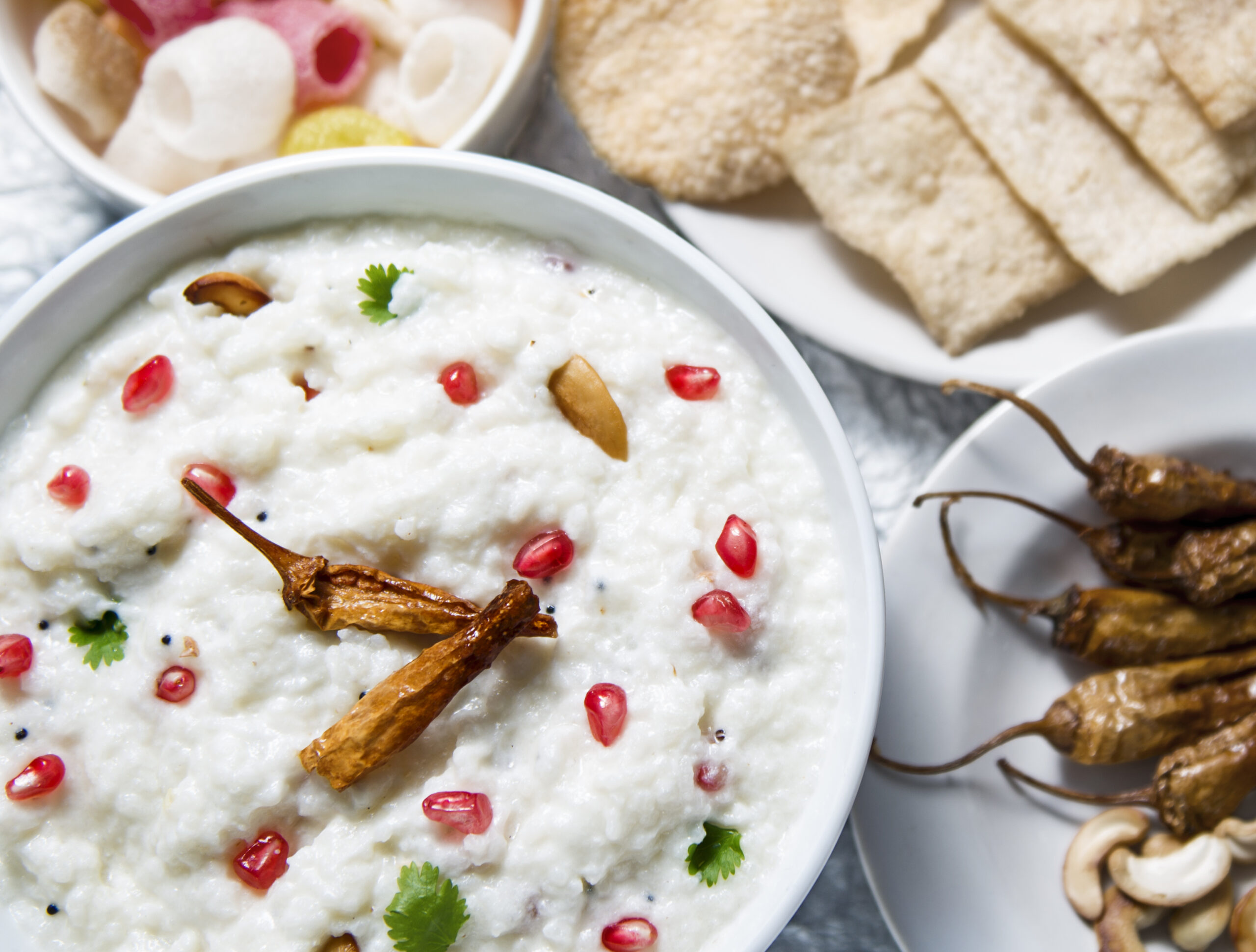
- Curd Rice
Dinner Options
- Light roti with sabzi
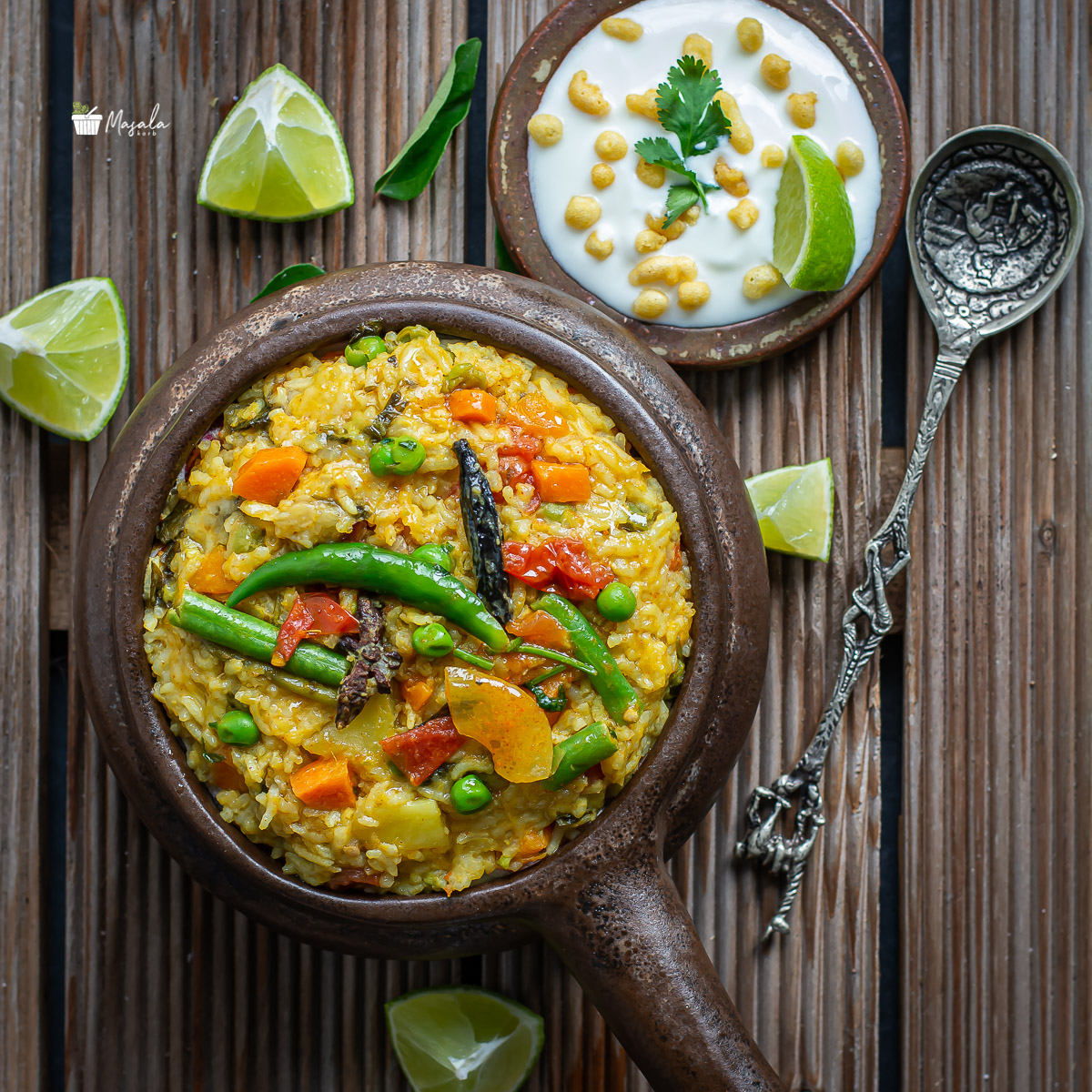
- Vegetable khichdi
- Soup with salad
- Simple dal with vegetables


What Foods Should Not Be Eaten Together
- Fruits immediately after heavy meals (can cause bloating)
- Milk with salty or savory foods (may affect digestion)
- Heavy fried foods with sugary drinks (leads to sluggishness)
- Too many different food types in one meal (can overload digestion)
Following a structure like this supports better digestion and helps your body absorb nutrients efficiently. It also creates a natural rhythm for your meals, which improves overall health.
The Role of Hydration in Daily Health
While food gets most of the attention, hydration is equally important. Water plays a key role in digestion, nutrient absorption, and maintaining energy levels throughout the day. Many people mistake thirst for hunger, which can lead to unnecessary snacking.
Drinking enough water helps your body function smoothly and keeps your skin, digestion, and metabolism in good condition. Starting your day with water and staying hydrated throughout the day can make a noticeable difference in how you feel.
Simple habits like drinking water before meals or carrying a water bottle can help you stay consistent without much effort.
The Power of Simple, Home-Cooked Meals
One of the most effective ways to improve your health is to eat more home-cooked meals. You don’t need complicated recipes or expensive ingredients. Simple meals made with fresh, natural foods are often the healthiest.
Home-cooked meals allow you to control the quality and quantity of ingredients. This reduces the intake of excess oil, sugar, and processed additives that are commonly found in outside food. Over time, this leads to better digestion, improved energy levels, and overall well-being.
Healthy eating is not about eating less — it’s about eating better. Even a basic meal with grains, lentils, and vegetables can provide excellent nutrition when eaten regularly.
Understanding Portion Control Without Stress
Another important aspect of healthy eating is portion control. Eating too much of even healthy food can lead to discomfort and reduced energy levels. At the same time, eating too little can leave you feeling weak and unsatisfied.
The key is to eat until you feel comfortably full, not overly full. Eating slowly and paying attention to your hunger signals can help you avoid overeating. When you give your body time to process food, it naturally tells you when you’ve had enough.
Portion control doesn’t mean restricting yourself — it means understanding your body’s needs and responding accordingly.
Listening to Your Body Is the Key to Long-Term Health
Your body constantly gives you signals about what it needs, but most people ignore them. Learning to listen to these signals can completely change your relationship with food.
If you feel tired after eating, your meal might be too heavy or lacking balance. If you feel hungry shortly after eating, your meal may not have enough nutrients to keep you full. If you feel energetic and satisfied, it means your meal worked well for your body.
By paying attention to these patterns, you can gradually improve your eating habits without needing strict diet plans. This approach is more sustainable and personalized.
Small Daily Habits That Make a Big Difference
Improving your health doesn’t require drastic changes. Small habits, when done consistently, can lead to big results over time. Simple actions like eating at regular times, including natural foods in your meals, and staying active throughout the day can significantly improve your overall health.
Many people focus on big changes, but consistency is what truly matters. When you build a routine that supports your health, your body adapts and responds positively.
Even small improvements, when maintained daily, can lead to noticeable changes in energy, digestion, and overall well-being.
What to Limit Without Feeling Restricted
Healthy eating doesn’t mean giving up everything you enjoy. The key is to reduce how often you consume foods that don’t support your health. Processed snacks, sugary drinks, and fried foods can affect your body when consumed regularly.
Instead of completely avoiding them, focus on making healthier foods your daily habit. When your regular meals are balanced, occasional treats won’t have a major impact. This balanced approach is easier to maintain and helps prevent feelings of restriction.
Building a Healthy Lifestyle That You Can Maintain
The biggest challenge in healthy eating is not knowing what to eat — it’s staying consistent. That’s why your approach needs to be realistic and flexible.
A sustainable lifestyle is built on habits that fit into your daily routine. When you make healthy eating simple and practical, it becomes easier to follow without effort. Over time, these habits become automatic, and you no longer have to think about them constantly.
Final Thoughts: Keep It Simple and Stay Consistent
Good health doesn’t come from complicated diets or extreme changes. It comes from simple, consistent habits that support your body every day. By including whole grains, lentils, vegetables, fruits, nuts, and seeds in your meals, you give your body everything it needs to function properly.
Focus on balance, listen to your body, and make small improvements over time. You don’t need to change everything at once — just start with one better choice today.
That’s how lasting health is built — step by step, day by day.