Healthy Indian Breakfast Recipes for Urban People in 2026
In today’s demanding lifestyle, mornings often become rushed, leaving little room for preparing nutritious meals. However, skipping breakfast or relying on processed foods can negatively affect energy levels, metabolism, and overall health and wellness. Indian cuisine, fortunately, provides a wide range of breakfast options that are quick, wholesome, and deeply rooted in nutritional balance. These recipes combine complex carbohydrates, plant-based proteins, healthy fats, and fiber, ensuring sustained energy release and improved digestion throughout the day. When chosen wisely, a traditional Indian breakfast can outperform modern convenience foods in both nutritional density and long-term health benefits.
Vegetable Poha: Light Yet Energizing Start

4
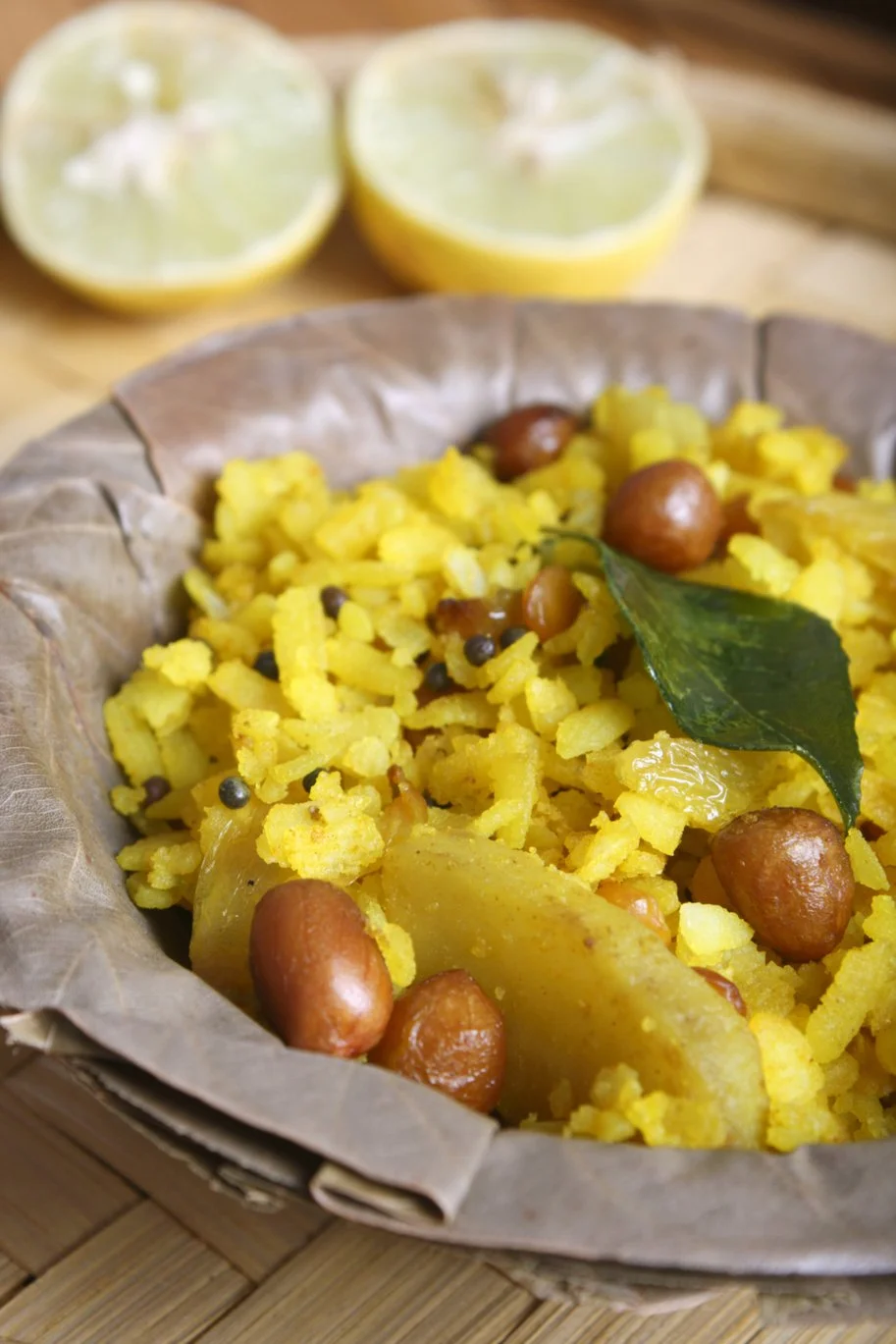
Vegetable poha is one of the most practical breakfast options for busy individuals because it is extremely quick to prepare while remaining light on the stomach. Made from flattened rice, poha is easy to digest and provides quick-release carbohydrates that help kickstart your metabolism in the morning. What makes this dish particularly beneficial for health and wellness is its versatility—you can enrich it with vegetables like carrots, peas, onions, and capsicum, while peanuts add a dose of healthy fats and protein. The combination ensures a balanced meal that prevents sudden hunger spikes.
Preparation involves rinsing poha lightly to soften it, followed by tempering mustard seeds, curry leaves, green chilies, and onions in minimal oil. Vegetables are sautéed, and the poha is mixed in with turmeric and salt, finished with lemon juice for vitamin C. A serving of vegetable poha contains around 250–300 calories, making it an ideal low-calorie Indian breakfast that supports digestion and steady energy without heaviness.
Moong Dal Chilla: Protein-Dense and Muscle-Friendly



4
Moong dal chilla is a powerhouse breakfast, especially for those looking to increase protein intake without relying on animal products. Made from soaked green gram, it is rich in plant-based protein, fiber, and essential nutrients like iron and potassium. This dish is particularly beneficial for muscle repair, satiety, and blood sugar control, making it highly suitable for individuals focused on fitness, weight management, or sustained productivity.
To prepare, moong dal is soaked for several hours and blended into a smooth batter with ginger, green chilies, and spices. The batter is spread onto a hot pan and cooked like a thin pancake. Adding vegetables or stuffing with paneer further enhances nutritional value. Each chilla contains approximately 120–150 calories, making it a high-protein, low-calorie breakfast that keeps you full for longer and reduces mid-morning cravings.
Ragi Porridge: Ancient Superfood for Modern Nutrition


4
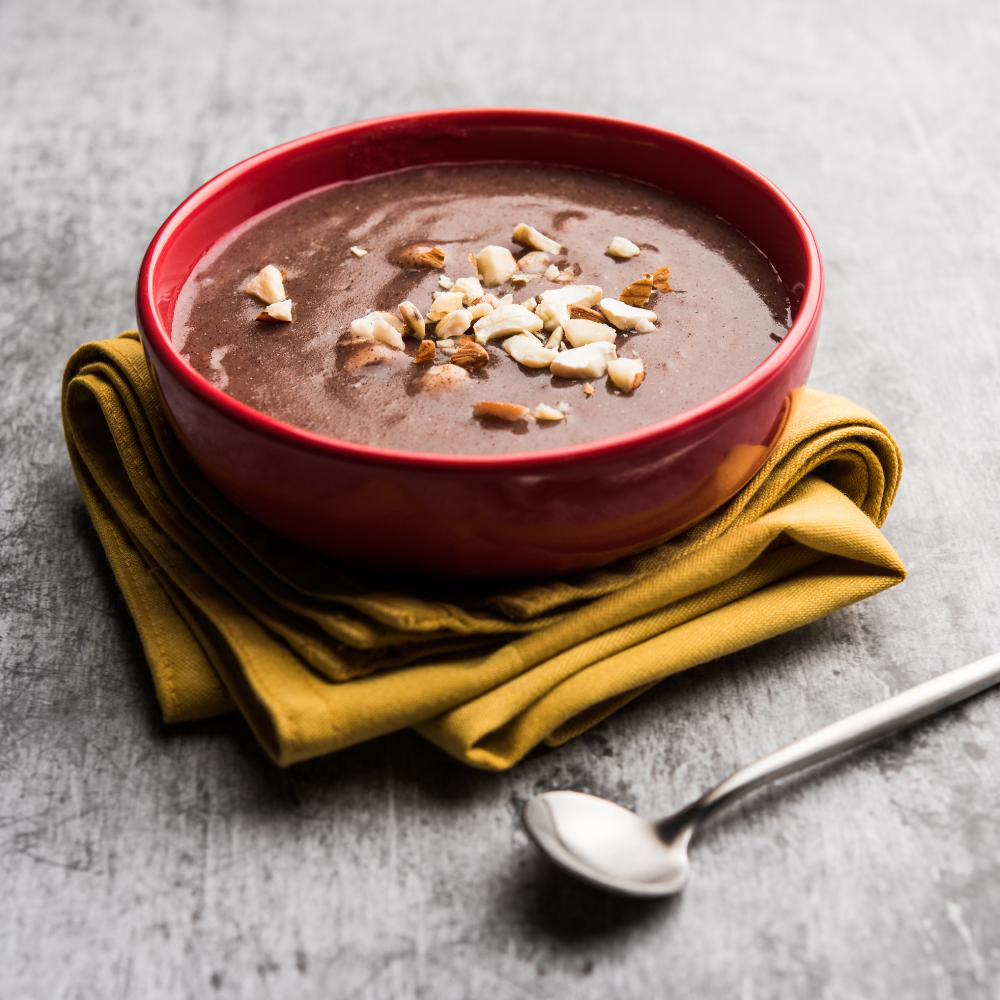
Ragi, also known as finger millet, is one of the most nutrient-dense grains in Indian cuisine and has gained recognition as a superfood. Ragi porridge is particularly rich in calcium, iron, and amino acids, making it highly beneficial for bone health, hemoglobin levels, and overall vitality. For individuals with busy schedules, this breakfast offers a quick yet powerful nutritional boost that supports long-term health and wellness.
The preparation involves cooking ragi flour with water or milk until it thickens into a smooth porridge. It can be made sweet with jaggery or savory with salt and spices. A serving typically contains 180–220 calories and provides slow-releasing energy, making it ideal for maintaining focus and preventing fatigue during long work hours.
Idli with Sambar: Fermented Gut-Friendly Breakfast


4
Idli with sambar is widely regarded as one of the healthiest breakfasts due to its fermentation process, which enhances nutrient absorption and promotes gut health. Fermented foods improve digestion by increasing beneficial bacteria in the gut, which directly impacts immunity and metabolic efficiency. This makes idli an excellent daily breakfast choice for maintaining overall health and wellness.
The batter is made from fermented rice and urad dal, steamed into soft cakes, and served with sambar—a lentil-based vegetable stew rich in protein and fiber. A typical serving contains around 300–350 calories, offering a balanced combination of carbohydrates, protein, and micronutrients while remaining light and easy to digest.
Oats Upma: Fiber-Rich Modern Classic
4
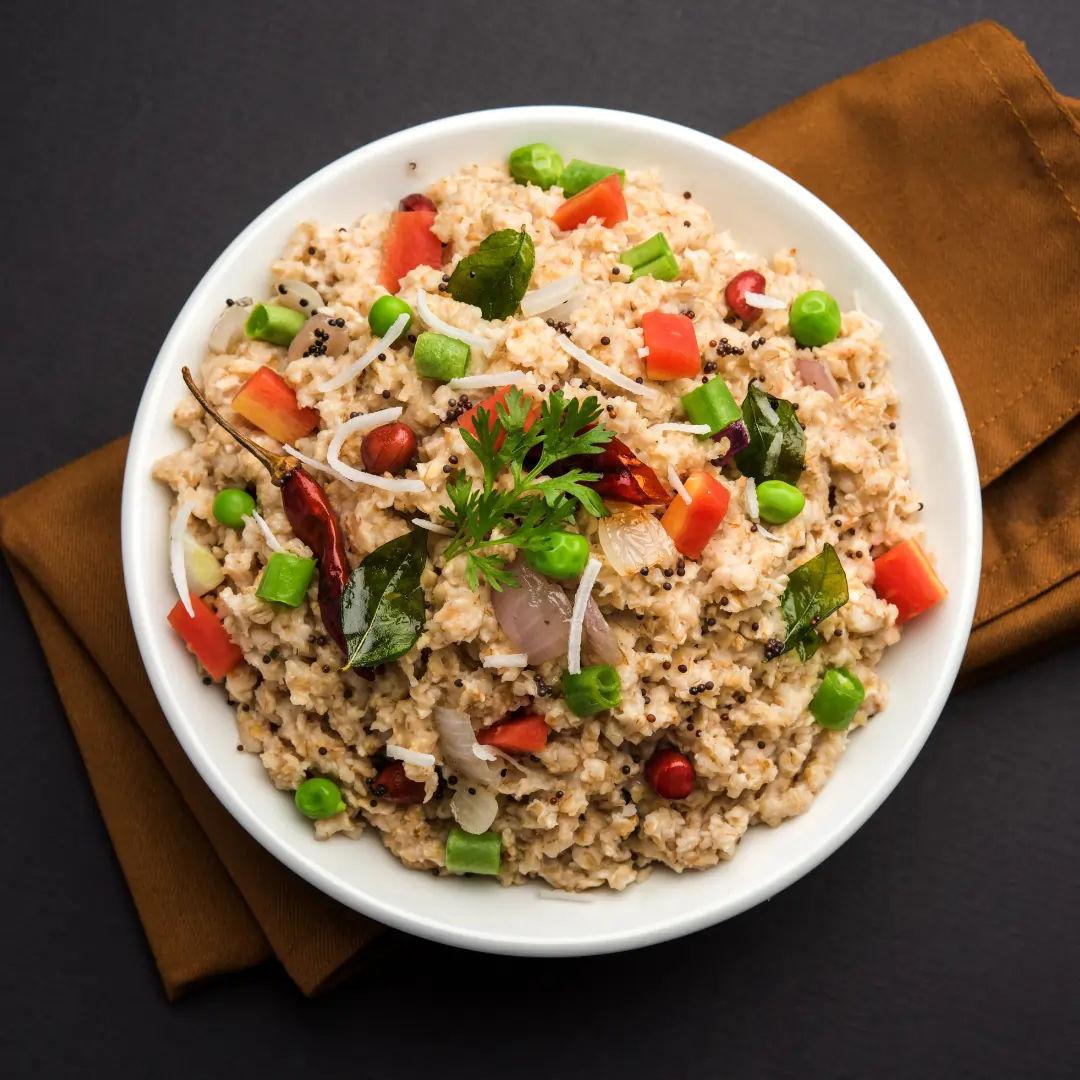
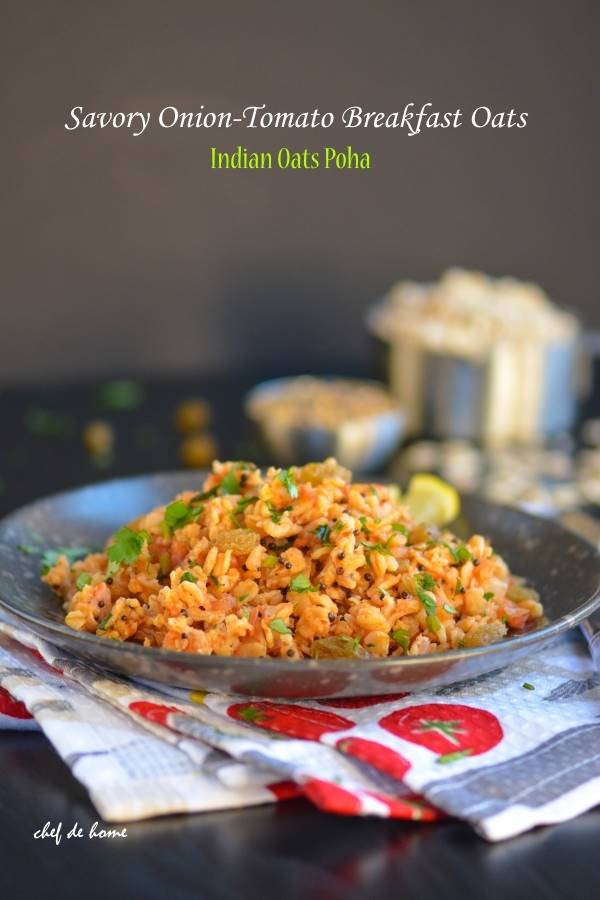
Oats upma is a modern adaptation of a traditional dish that significantly enhances fiber intake. Oats are rich in beta-glucan, a soluble fiber known for reducing cholesterol levels and improving heart health. This makes oats upma particularly valuable for individuals aiming to maintain cardiovascular health and manage weight effectively.
The dish is prepared by roasting oats and cooking them with vegetables, mustard seeds, and curry leaves. It contains approximately 200–250 calories per serving and provides long-lasting satiety, reducing the need for unhealthy snacking later in the day.
Paneer Stuffed Paratha: Filling and Protein-Rich
4
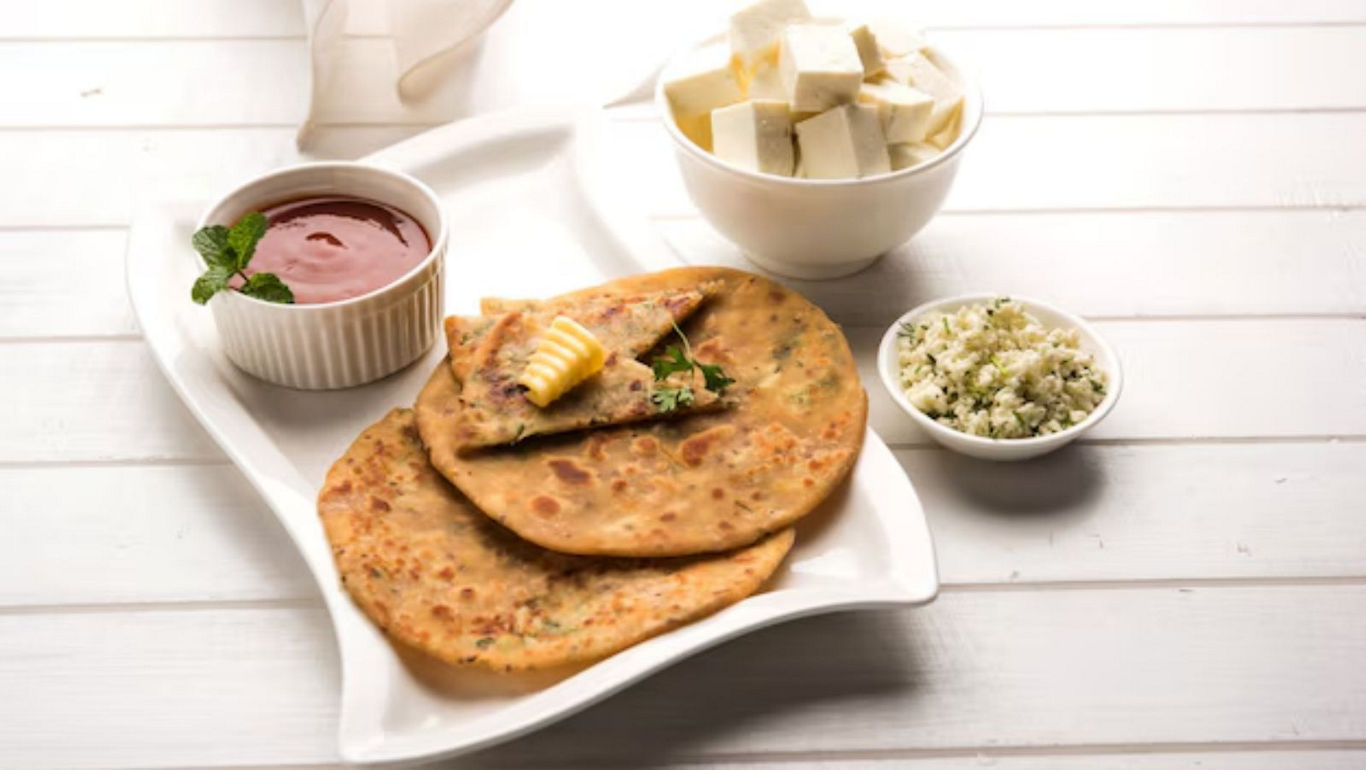
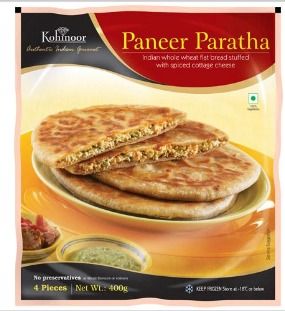
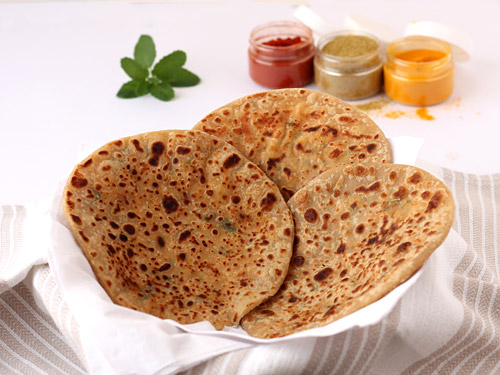
Paneer stuffed paratha is a more indulgent yet highly nutritious breakfast option when prepared mindfully. Paneer is rich in protein and calcium, supporting muscle strength and bone health. When combined with whole wheat flour and minimal oil, this dish becomes a balanced meal that keeps you full for extended periods.
Preparation involves stuffing whole wheat dough with spiced paneer and cooking it lightly on a pan. Each serving contains approximately 300–350 calories, making it ideal for individuals who need sustained energy and reduced hunger during busy mornings.
Sprouts Salad: Raw Nutrition for Maximum Benefits
4
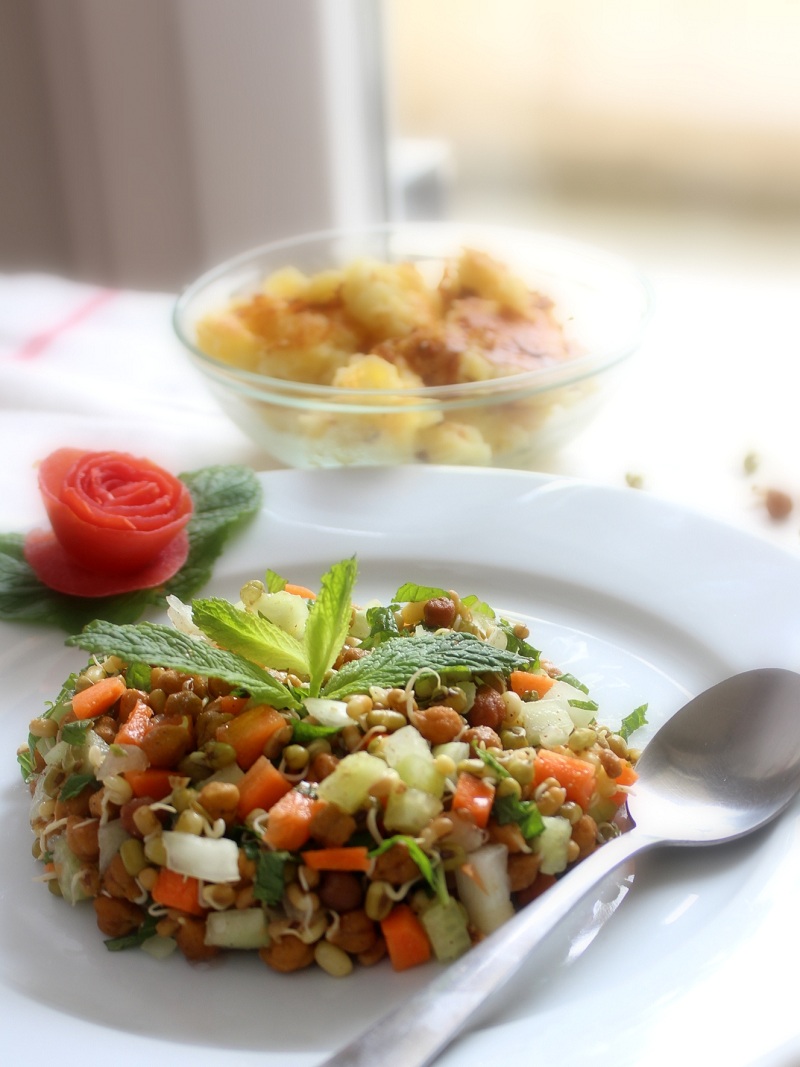
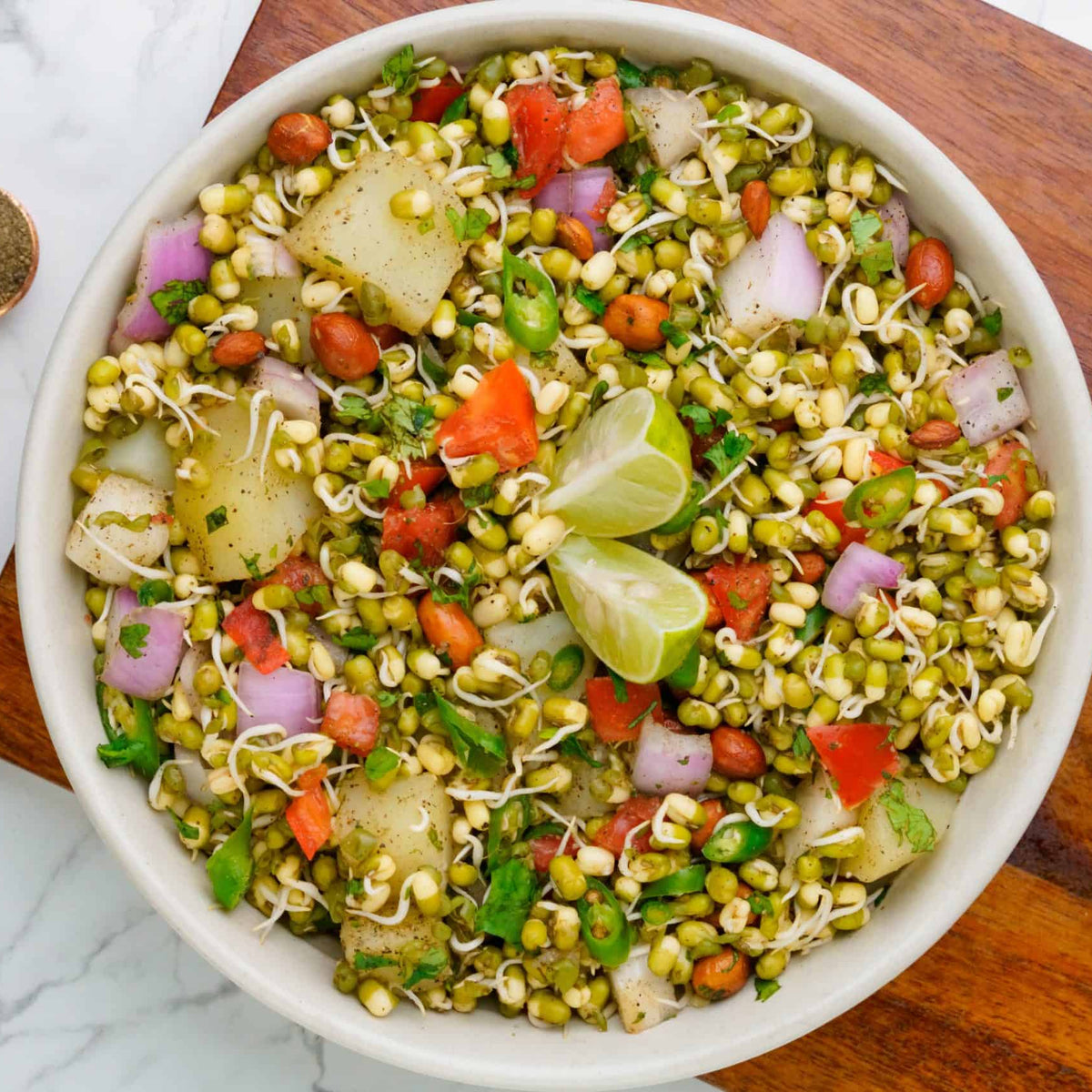
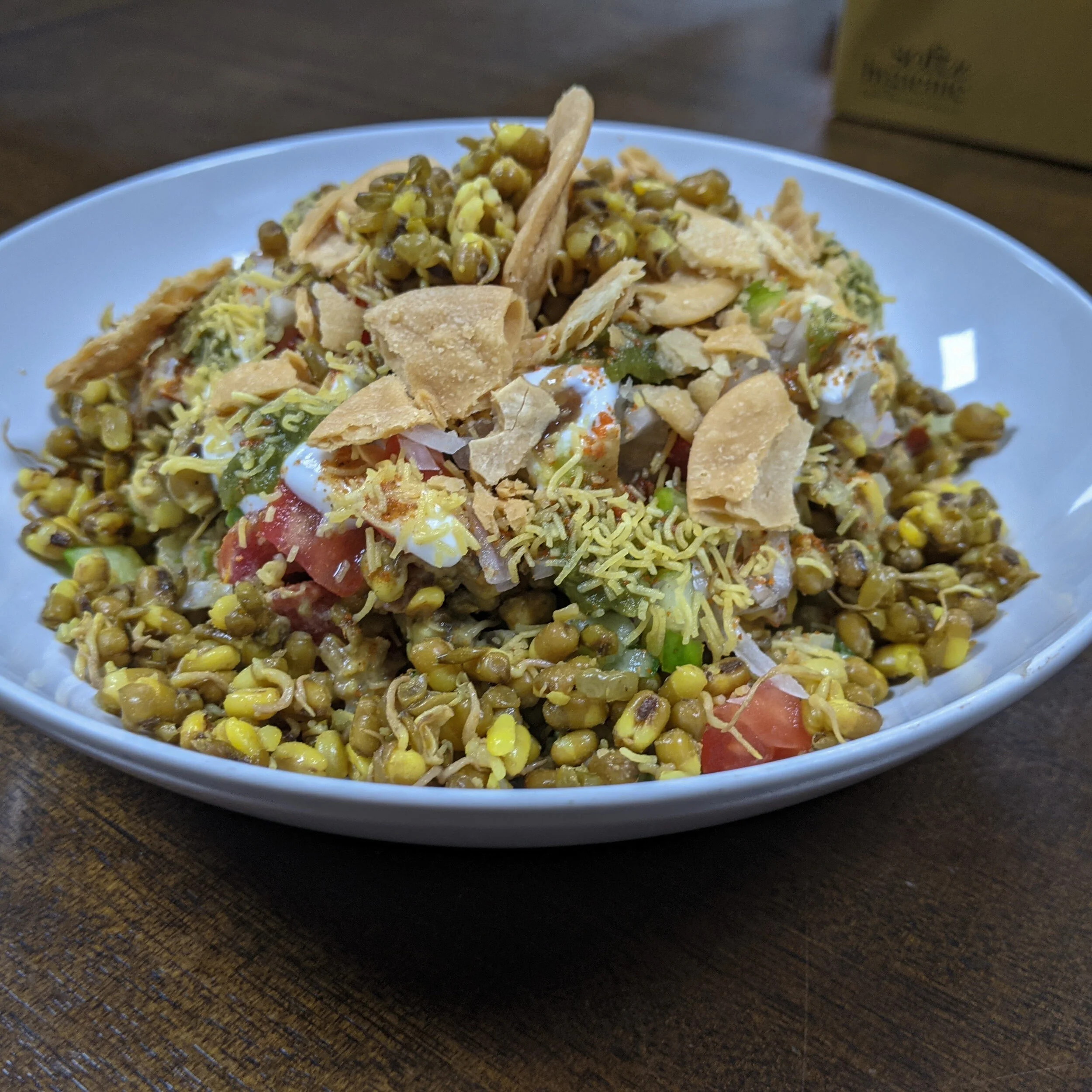
Sprouts salad is one of the most nutrient-dense breakfasts available, offering live enzymes, plant protein, and a wide range of vitamins. It is particularly effective for improving digestion, boosting metabolism, and supporting detoxification. For busy individuals, it requires minimal preparation and delivers maximum nutritional value.
Sprouts can be lightly steamed or consumed raw, mixed with onions, tomatoes, lemon juice, and spices. A serving contains around 150–200 calories, making it a lightweight yet powerful option for enhancing gut health and overall wellness.
Vegetable Daliya: Slow Energy Release Meal
4
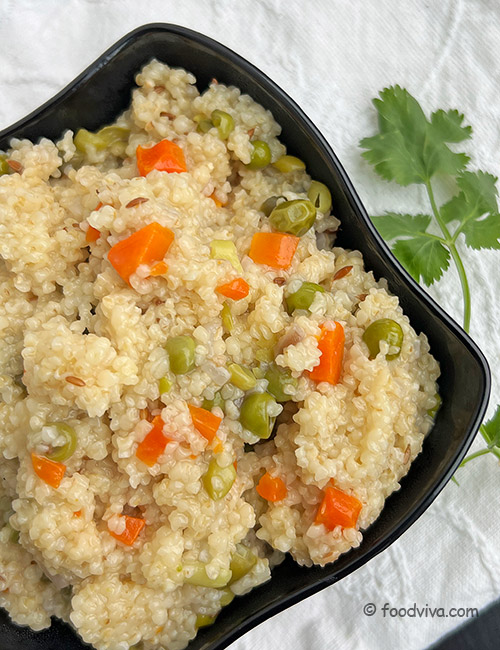
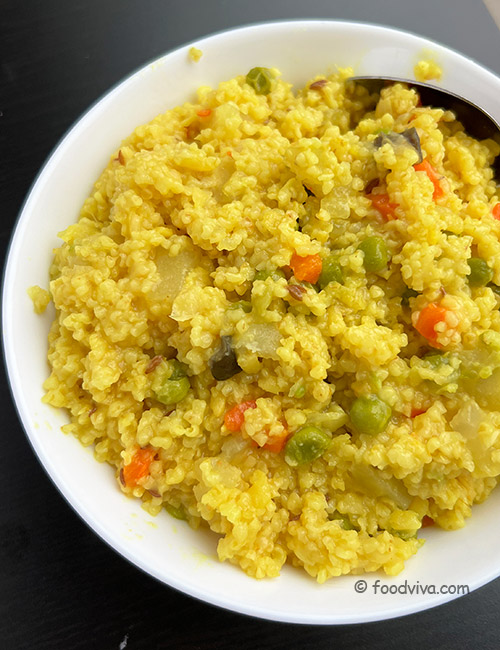
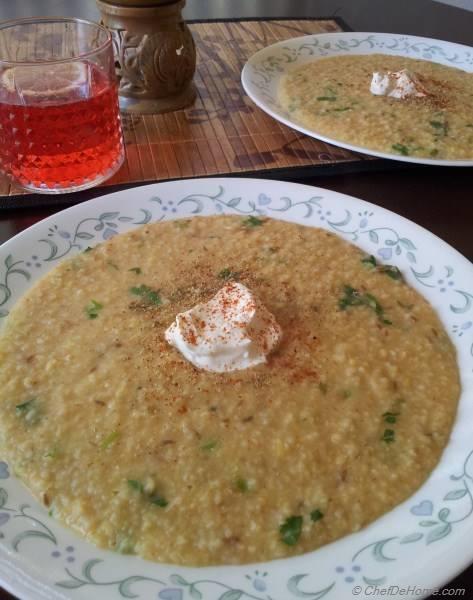
Vegetable daliya, made from broken wheat, is ideal for individuals seeking slow-releasing energy. Its high fiber content supports digestion and helps maintain stable blood sugar levels, making it suitable for weight management and diabetes-friendly diets.
Cooked with vegetables and mild spices, daliya provides approximately 220–280 calories per serving and ensures long-lasting fullness and sustained productivity throughout the day.
Final Thoughts
Incorporating these healthy Indian breakfast recipes for busy people into your daily routine can transform your mornings and significantly improve your overall health and wellness. These meals are practical, nutritionally balanced, and rooted in traditional dietary wisdom, making them ideal for modern lifestyles where time is limited but health remains a priority.